

Save Money Restaurants UK: Proven Strategies for Cost Reduction
Estimated reading time: 6 minutes
Key Takeaways
- Implement effective waste reduction practices to cut costs.
- Optimize supplier negotiations for better margins.
- Manage labor costs efficiently while improving staff retention.
- Adopt energy-saving practices to reduce utility bills.
- Utilize budget-friendly marketing strategies to drive sales.
Table of Contents
- 1. Waste Reduction and Management
- 2. Optimising Supplier Relationships
- 3. Labour Cost Management
- 4. Energy Efficiency
- 5. Tax Savings and Deductions
- 6. Marketing on a Budget
- Conclusion
1. Waste Reduction and Management
Food waste is a major financial drain for UK restaurants. Over 1 million tonnes of food are discarded annually, with 75% being avoidable. This waste costs the industry around £3.2 billion each year.
Strategies to Reduce Food Waste
- Implement a “Target-Measure-Act” Approach: Set reduction goals, track waste sources (like prep waste or plate waste), and take corrective actions.
- Menu Design and Portion Control: Focus menus on profitable dishes using seasonal ingredients. Adjust portion sizes to minimize waste.
- Engage Staff and Customers: Train staff on waste practices. Encourage customers to take leftovers home or use apps to buy surplus meals at a discount.
- Compliance with Regulations: As of April 2025, UK regulations will require businesses with over 10 full-time staff to separately collect food waste, lowering disposal costs and ensuring compliance.

Innovative Waste Reduction Example
Silo in Brighton embodies a proactive approach, milling flour on-site, brewing drinks, and composting all scraps to achieve a zero-waste philosophy. Their model can inspire other restaurants to implement similar strategies.
2. Optimising Supplier Relationships
Effective supplier negotiations can have a direct impact on a restaurant’s margins. Here are some budget-friendly restaurant tips for optimizing these relationships:
Optimisation Tips
- Understand Current Costs: Know your food cost percentage and the highest expenditure items before negotiating.
- Compare and Leverage: Review agreements and compare prices with multiple suppliers. Use your order volume to negotiate better deals.
- Negotiate Beyond Price: Discuss payment terms, delivery schedules, and policies for missing or damaged goods to create more advantageous agreements.
Group Purchasing
Consider joining a buying group to pool purchasing power and secure bulk rates. This can be especially beneficial for independent restaurants looking to reduce costs.

3. Labour Cost Management
Labour costs account for over half of most restaurant expenditures. A healthy range in the UK is typically 25-35% of revenue.
Strategies for Managing Staff Costs
- Set Realistic Targets: Aim for a 5-10% reduction in wasted hours without cutting staff.
- Demand-Based Scheduling: Use historical sales data to forecast demand accurately.
- Cross-Train Staff: Employees capable of performing multiple roles can reduce staffing needs.
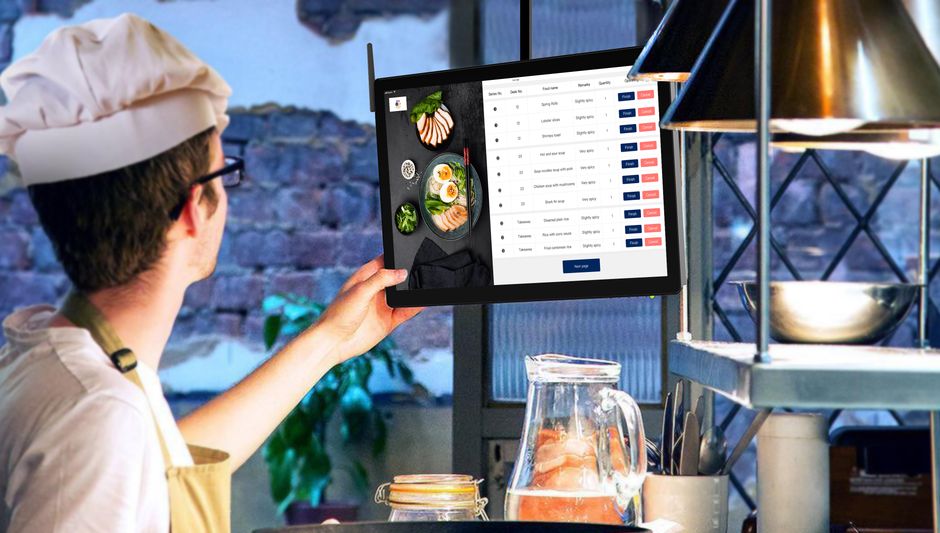
- Automation: Implement self-ordering systems or digital devices to streamline operations and reduce the need for excessive staff.
Focus on Staff Retention
Investing in employee satisfaction not only retains talent but also cuts down on recruitment and training costs.
4. Energy Efficiency
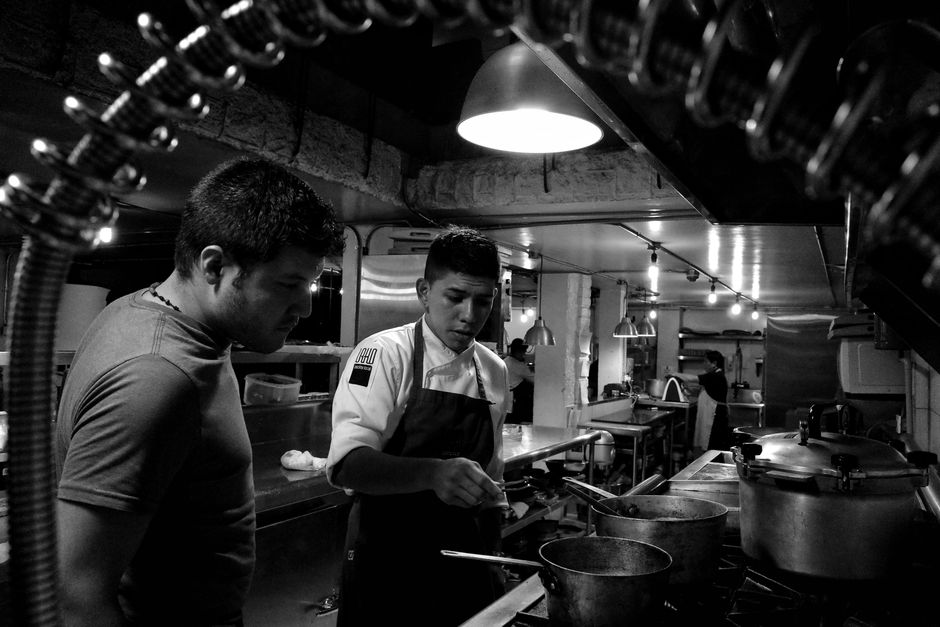
Restaurants consume significantly more energy per square metre than other businesses. High utility costs can range from £600-£1,200 monthly for small businesses.
Energy Saving Restaurant Practices
- Invest in Energy-Efficient Equipment: Upgrading to energy-efficient appliances can reduce running costs and may be eligible for allowances.
- Optimize HVAC and Refrigeration: Regular maintenance can lower energy consumption considerably. For instance, proper fridge settings can save significant costs.
- Lighting and Water Management: Encourage energy-saving behaviors among staff, like switching off lights in unused areas.
Smart Meter Benefits
Investing in smart meters can provide valuable insights into energy consumption, enabling restaurants to manage costs effectively. Government-funded tools have helped businesses cut energy bills significantly.
5. Tax Savings and Deductions
Restaurant owners can reduce their tax burden through various deductions and reliefs.
Key Tax Strategies
- Capital Allowances: Claim relief for long-term capital investments such as kitchen equipment.
- Allowable Expenses: Deductions can be made for wages, rent, utilities, and marketing costs.
- Small Business Rates Relief (SBRR): This scheme can exempt businesses with a rateable value under £12,000 from paying business rates.
Additional Tax Benefits
Exploring eligibility for Research and Development tax credits can also offer financial relief.

6. Marketing on a Budget
Effective marketing drives customer engagement, even when funds are limited.
Cost-Effective Marketing Strategies
- Google Business Profile (GBP): Optimising your GBP with accurate information can improve visibility significantly.
- Social Media Engagement: Leverage platforms like Instagram and Facebook to maintain an active presence.
- Email Marketing: Build an email list and share regular newsletters featuring promotions and updates.
- Local Partnerships: Collaborate with nearby businesses for cross-promotion of services.
Loyalty Programs
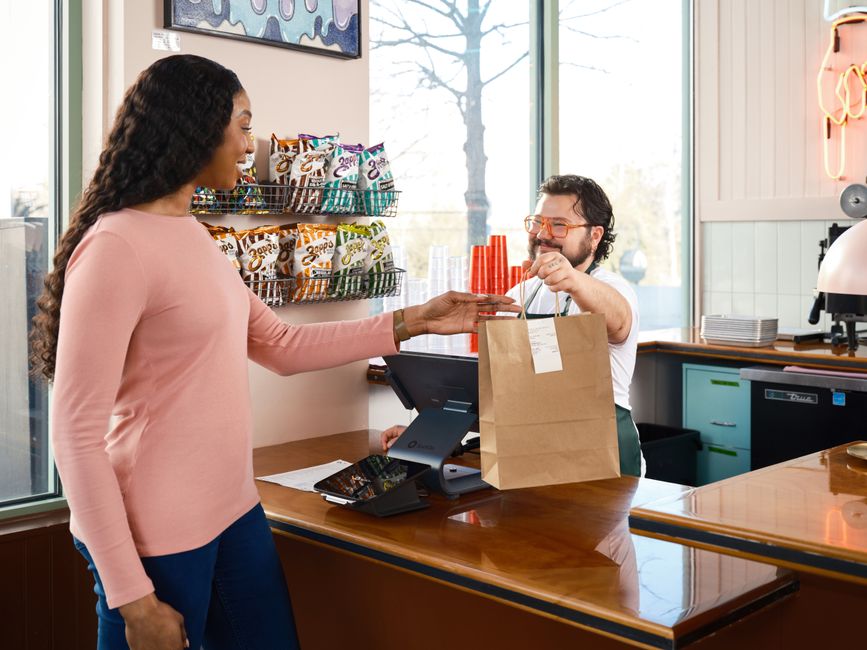
Implement loyalty schemes and offer off-peak deals to drive repeat business without extensive marketing expenditure.
Conclusion
In conclusion, there are numerous methods restaurants can use to save money restaurants UK. By focusing on waste reduction, effective supplier negotiation, efficient labor management, energy-saving practices, optimal tax deductions, and budget-friendly marketing strategies, restaurant owners can navigate today’s economic challenges successfully.
Take action now: implement these strategies in your establishment to enhance profitability and ensure long-term success. Every little change can contribute to significant savings, so start today!
FAQ
Q: What are some common strategies for reducing food waste?
A: Implementing a “Target-Measure-Act” approach, focusing menu design on seasonal ingredients, and training staff.
Q: How can restaurants manage labor costs effectively?
A: Utilizing demand-based scheduling, cross-training staff, and investing in employee satisfaction can help.
Q: What are the benefits of energy-efficient equipment?
A: Energy-efficient appliances can significantly reduce running costs and may qualify for financial allowances.